September 3, 2026
Property owners with independent wastewater treatment setups carry a significant responsibility. Unlike municipal sewer connections, independent waste management requires deliberate attention. Neglecting this vital infrastructure leads to catastrophic plumbing disasters. Raw sewage backing up into residential spaces creates health hazards. Ground saturation creates unpleasant odors across landscaping. Preventing these dire scenarios requires proactive measures rather than reactive panic. Homeowners who schedule professional septic maintenance services avoid catastrophic breakdowns.
Proper care extends the lifespan of the entire waste management infrastructure. Ignoring minor anomalies guarantees monumental complications in the future. Minor investments in routine upkeep negate the need for massive excavation projects. Replacing an entire waste setup costs property owners an exorbitant sum. Consistent attention secures peace of mind. Keeping the infrastructure in peak condition requires a deliberate approach. Professional septic maintenance services keep properties safe and sanitary.
1. Consistent Pumping Eliminates Solid Waste Buildup
Waste accumulates in the underground tank every time occupants use running water. Heavier solids sink to the bottom, forming a dense sludge layer. Lighter materials float to the top, creating a stubborn scum layer. Clear wastewater sits between these barriers before exiting into the absorption area. Without intervention, the sludge and scum layers expand. With time, these solid materials escape the primary holding chamber.
Solid waste entering the absorption area spells disaster for the entire infrastructure. The narrow pipes distributing wastewater become blocked. Soil pores designed to filter the liquid become clogged with thick grime. This blockage forces untreated wastewater to surface above ground. Property owners face foul-smelling puddles in the yard. Reversing this damage requires extensive soil replacement.
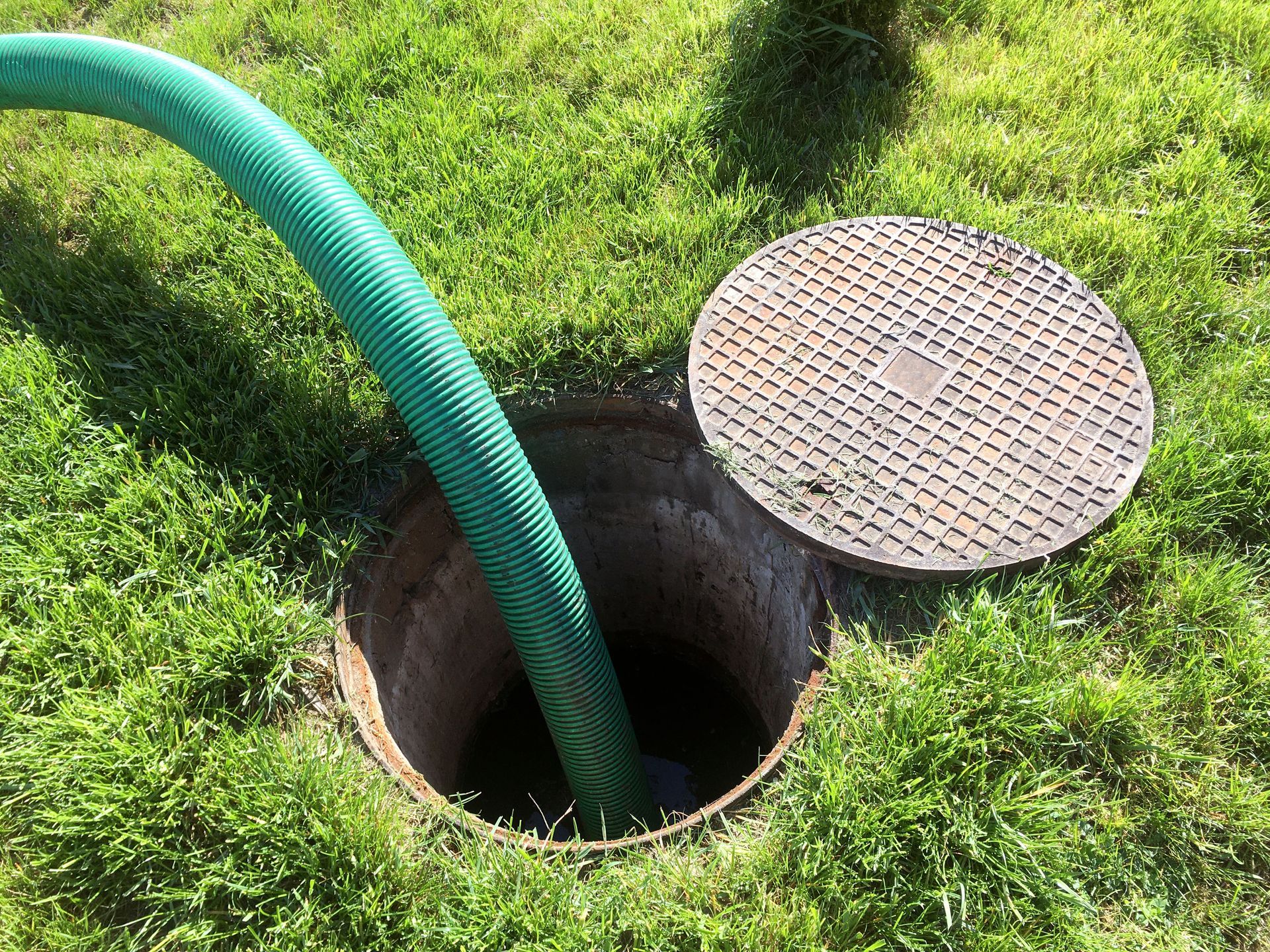
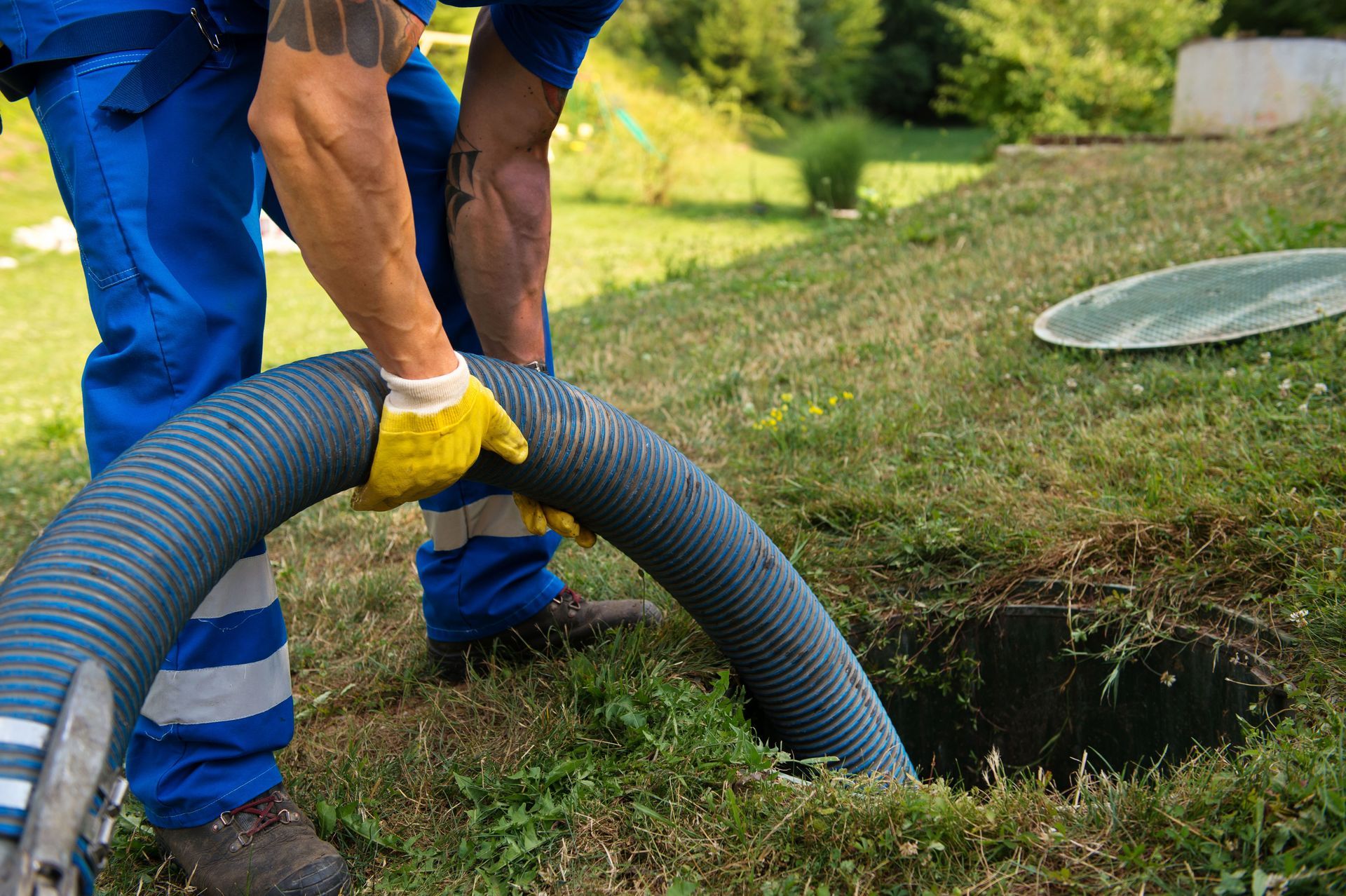
Removing the accumulated sludge and scum necessitates specialized equipment. Vacuum trucks extract the dense material before it reaches critical levels. Technicians clear the holding chamber, resetting the waste capacity. Contacting septic maintenance services guarantees thorough extraction. Experts measure the layers to determine the ideal extraction frequency. Homeowners gain a clear schedule for future visits.
Pumping the tank keeps the primary chamber functioning as designed. The ecosystem inside the tank requires a balance of liquid and solid matter. Overwhelming the capacity disrupts the natural bacterial breakdown of organic matter. A clean tank processes new waste with optimal efficiency. The infrastructure operates without strain. This routine action remains the foundational step in avoiding systemic failure.
2. Routine Inspections Identify Hidden Component Damage
Underground components suffer wear and tear over the years. Tree roots seek moisture, penetrating pipes and concrete casings. Ground shifting causes fractures in the main holding chamber. Baffles, which prevent solids from exiting the tank, deteriorate from corrosive gases. Identifying these structural compromises requires a professional eye. Surface-level observations fail to reveal impending underground catastrophes.
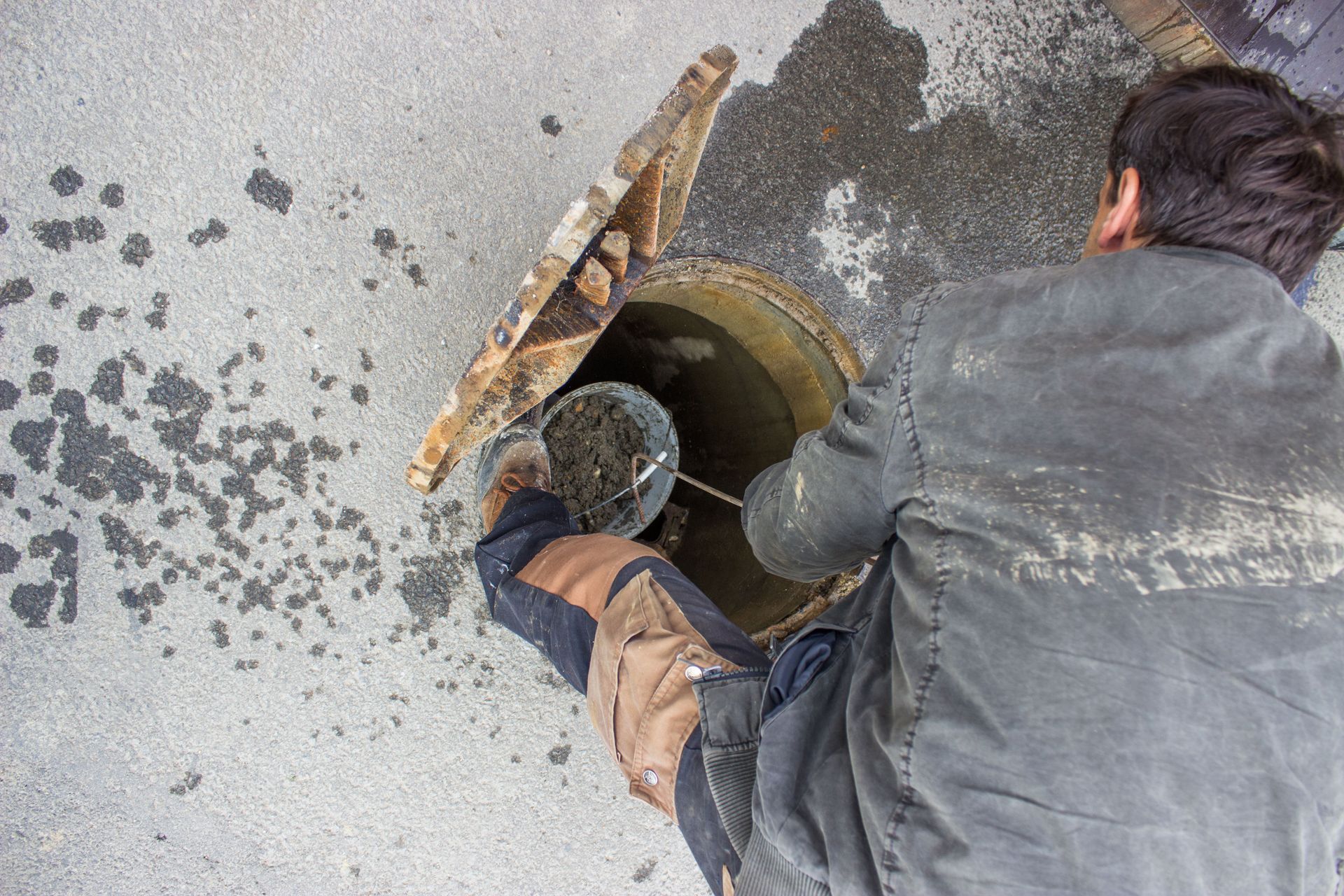
Technicians utilize cameras and specialized tools to examine the infrastructure. They assess the structural integrity of the concrete or plastic chambers. Examining the inlet and outlet baffles ensures these vital guards remain intact. Locating small cracks allows for minor repairs before a complete rupture occurs. Catching a deteriorating baffle prevents solids from flooding the absorption field.
Unidentified leaks create environmental hazards for the surrounding property. Untreated effluent seeping from a cracked casing contaminates local groundwater. This contamination poses risks to nearby drinking wells and natural waterways. Environmental regulations mandate secure waste containment. Regular assessments ensure compliance with local health codes. Utilizing septic maintenance services provides a detailed health report on the entire setup.
Addressing minor structural issues saves property owners significant financial resources. Patching a small fissure costs a portion of a full excavation project. Replacing a worn baffle is a simple task compared to replacing a destroyed absorption field. Knowledge empowers property owners to make informed decisions. Insight into the system's condition eliminates stressful surprises. Proactive repairs keep the waste management process functioning without flaws.
3. Proactive Cleaning Preserves Drain Field Functionality
The absorption field serves as the final treatment stage for household wastewater. A network of perforated pipes distributes the liquid across a large underground area. The surrounding soil acts as a natural biological filter. Microbes in the dirt consume harmful pathogens before the water reaches the water table. This delicate balance requires a steady, unobstructed flow of clear effluent.
Biomass buildup and suspended solids threaten the absorption field's efficiency. Even with a functioning tank, trace amounts of organic matter enter the distribution pipes. Over months and years, this matter forms a slimy layer known as a biomaterial layer. A thick biomaterial layer stops soil absorption in its entirety. Wastewater has nowhere to go but up to the surface or back into the house.
Professional cleaning techniques break down the restrictive biomaterial layer. High-pressure water jetting clears blockages within the distribution pipes. This process restores the original flow capacity. Technicians also evaluate the soil saturation levels. Scheduling comprehensive septic maintenance services keeps the biological filter working at peak performance. Restoring the absorption rate prevents the need for a complete field relocation.
According to HomeGuide, a septic system that is properly installed and well-maintained usually lasts between 20 and 40 years. Achieving this longevity depends on protecting the absorption area. A ruined field forces property owners to sacrifice new sections of landscaping. Some properties lack the necessary space for a replacement field. Protecting the existing soil remains paramount for long-term viability.
4. Professional Assessments Avert Complete System Collapse
A complete waste management failure disrupts daily life on a profound level. Occupants cannot use sinks, showers, or toilets without causing additional backups. The residence becomes uninhabitable until professionals resolve the crisis. Emergency interventions carry premium costs. Property owners endure significant stress while navigating the excavation and replacement process. Avoiding this scenario requires constant diligence.
Total collapse stems from a culmination of ignored warning signs. Slow drains, gurgling pipes, and faint odors indicate an escalating problem. Ignoring these signals guarantees a worsening condition. The holding chamber overflows, the baffles fail, and the absorption field dies. This chain reaction destroys the entire infrastructure. Intervening during the initial stages breaks this destructive chain of events.
Comprehensive evaluations establish a baseline for the infrastructure's operational health. Experts track changes in waste accumulation and soil absorption over time. This data informs precise care schedules tailored to the specific property. A household with numerous occupants requires a different approach than a residence with fewer individuals. Customized care plans maximize the effectiveness of the waste management setup.
Establishing a relationship with knowledgeable technicians benefits the property owner. Experts understand local soil conditions and regional environmental factors. This localized knowledge enhances the care provided. Retaining expert septic maintenance services ensures the infrastructure receives appropriate, specialized attention. The waste management setup remains an unseen, silent, and efficient asset.
Protecting a residential waste management setup requires consistent, deliberate action. Ignoring the underground infrastructure invites disastrous consequences. Solid waste accumulation, structural degradation, and absorption field failure represent significant threats. Addressing these issues before they escalate safeguards the property. Proactive care eliminates the stress associated with unexpected plumbing emergencies. Financial resources are preserved when property owners prioritize routine upkeep over emergency interventions.
A functional waste processing setup provides daily comfort and sanitation. Ensuring its ongoing operation demands a commitment to professional oversight. Routine pumping, thorough inspections, and proactive cleaning form the foundation of a healthy infrastructure. Homeowners reap the rewards of an uninterrupted, hygienic living environment. Securing a long lifespan for the setup is an achievable goal. Consistent attention remains the ultimate defense against catastrophic failure. At Central Texas Hydro-Flo, we are ready to help you extend the life of your wastewater infrastructure. Contact us today to schedule your comprehensive septic maintenance services and prevent costly emergencies.