April 28, 2026
Septic system issues often arrive unexpectedly, disrupting daily routines and creating stress for homeowners. Whether it’s slow drains, unpleasant odors, or pooling water in the yard, these warning signs typically point to the need for professional attention. Scheduling a service visit can feel uncertain if you’ve never gone through the process before, but understanding what happens during an appointment can ease concerns and help you prepare. When working with a trusted provider specializing in local septic repair, homeowners can expect a structured, thorough approach designed to diagnose problems and restore proper system function efficiently. Gaining a clearer picture of the process also helps reduce anxiety and encourages proactive decision-making. Instead of feeling overwhelmed, homeowners can approach the appointment with confidence, knowing that each step is intended to protect their property and ensure the system continues operating safely and reliably over time.
Understanding The Initial Inspection Process
Every septic repair appointment begins with a detailed inspection. This step allows technicians to assess the current condition of the system and identify the underlying cause of the issue. During this phase, professionals gather information about recent symptoms, system history, and any changes in usage patterns that may have contributed to the problem.
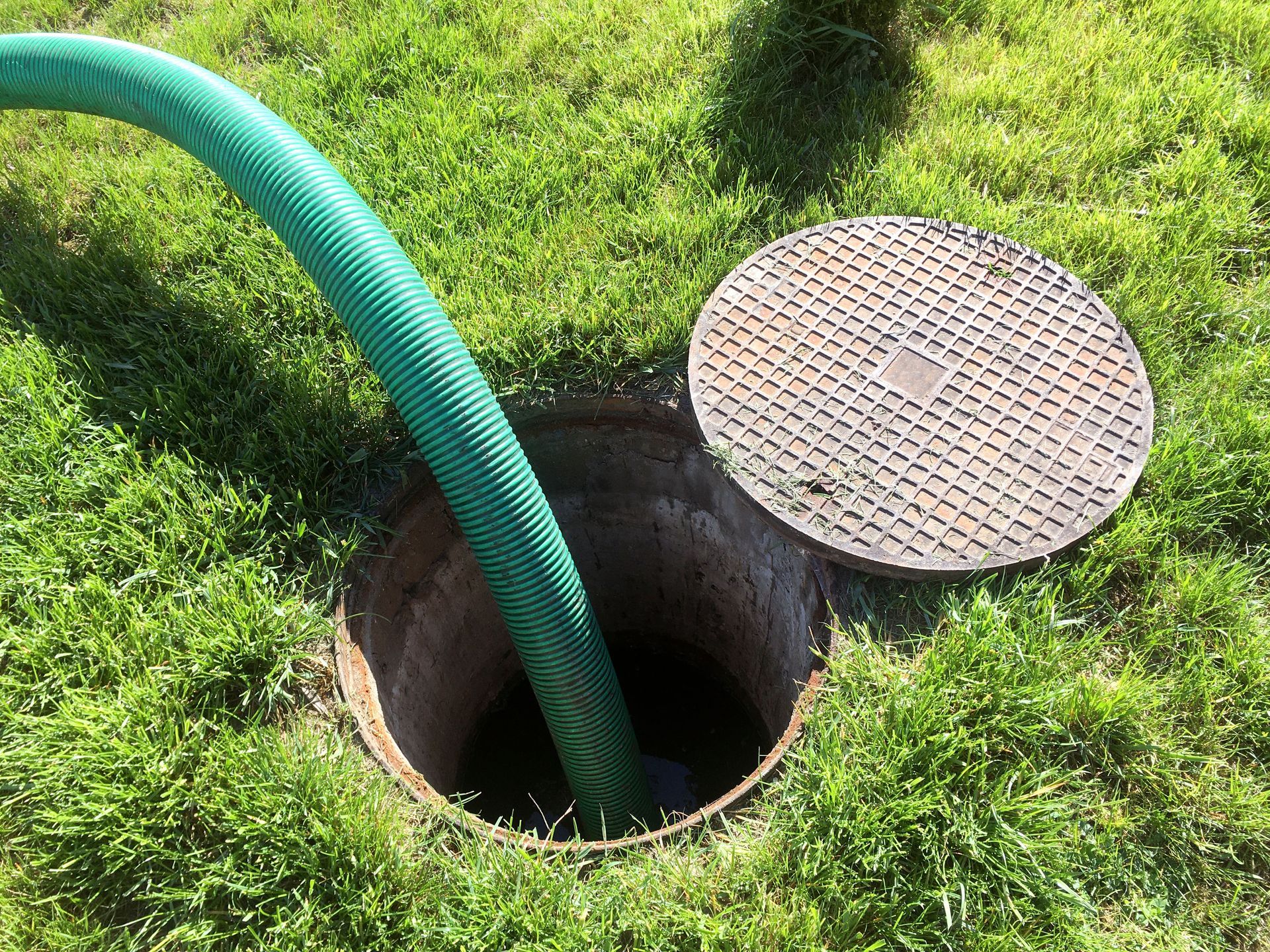
The inspection often includes examining visible components such as the tank lid, distribution box, and drain field. Technicians may also check for signs of backups, leaks, or soil saturation. In many cases, specialized tools are used to evaluate the internal condition of the tank without causing unnecessary disruption to the property.
Homeowners should be prepared to answer questions and provide access to key areas of the yard. Clear communication during this stage ensures that the technician can form an accurate diagnosis. When working with experts in local septic repair, this initial evaluation lays the groundwork for an effective solution.
Identifying The Root Cause Of The Problem
After completing the inspection, the next step involves pinpointing the exact issue affecting the system. Septic problems can stem from a variety of causes, including blockages, damaged pipes, excessive buildup, or drain field failure. Identifying the root cause is essential for determining the most appropriate repair method.
Technicians may use diagnostic techniques such as flow testing or camera inspections to gain deeper insight into the system’s condition. These methods help reveal hidden issues that may not be immediately visible during a surface-level evaluation.
This stage is critical because addressing only the symptoms without resolving the underlying cause can lead to recurring problems. A reputable provider of local septic repair focuses on long-term solutions rather than temporary fixes, ensuring that the system operates reliably after the service is complete.
Explaining The Recommended Repair Plan
Once the issue has been identified, the technician will explain the recommended course of action. This includes outlining the necessary repairs, discussing potential alternatives, and providing a clear understanding of what the process will involve.
Homeowners can expect a straightforward explanation of the problem and how the proposed solution will address it. Transparency is a key part of any professional service, and a reliable local septic repair provider will take the time to answer questions and ensure that clients feel confident in the plan.
Depending on the nature of the issue, the repair may involve clearing blockages, replacing damaged components, or restoring the drain field. The technician will also discuss any preparations required before work begins, such as clearing access points or limiting water usage.
This stage is an opportunity for homeowners to gain insight into their septic system and learn how to prevent similar issues in the future. A well-informed client is better equipped to maintain the system and avoid costly repairs down the line.
Preparing The Property For Repair Work
Before the actual repair begins, certain preparations may be necessary to ensure a smooth and efficient process. Technicians will typically provide guidance on how to get the property ready for service.
This may include clearing obstacles from the work area, securing pets, and ensuring that access points are easily reachable. In some cases, landscaping features or structures may need to be temporarily moved to allow for excavation or equipment placement.
Homeowners may also be advised to limit water usage during the repair process. Reducing strain on the system helps prevent additional complications and allows technicians to work more effectively.
Preparation plays a significant role in minimizing disruptions and ensuring that the repair can be completed as quickly as possible. Working with a professional team experienced in local septic repair ensures that this phase is handled with care and attention to detail.
Completing The Repair And Testing The System
The repair phase is where the actual work takes place. Depending on the issue, this may involve a range of techniques designed to restore the system’s functionality. Technicians use specialized equipment and industry best practices to carry out repairs safely and efficiently.
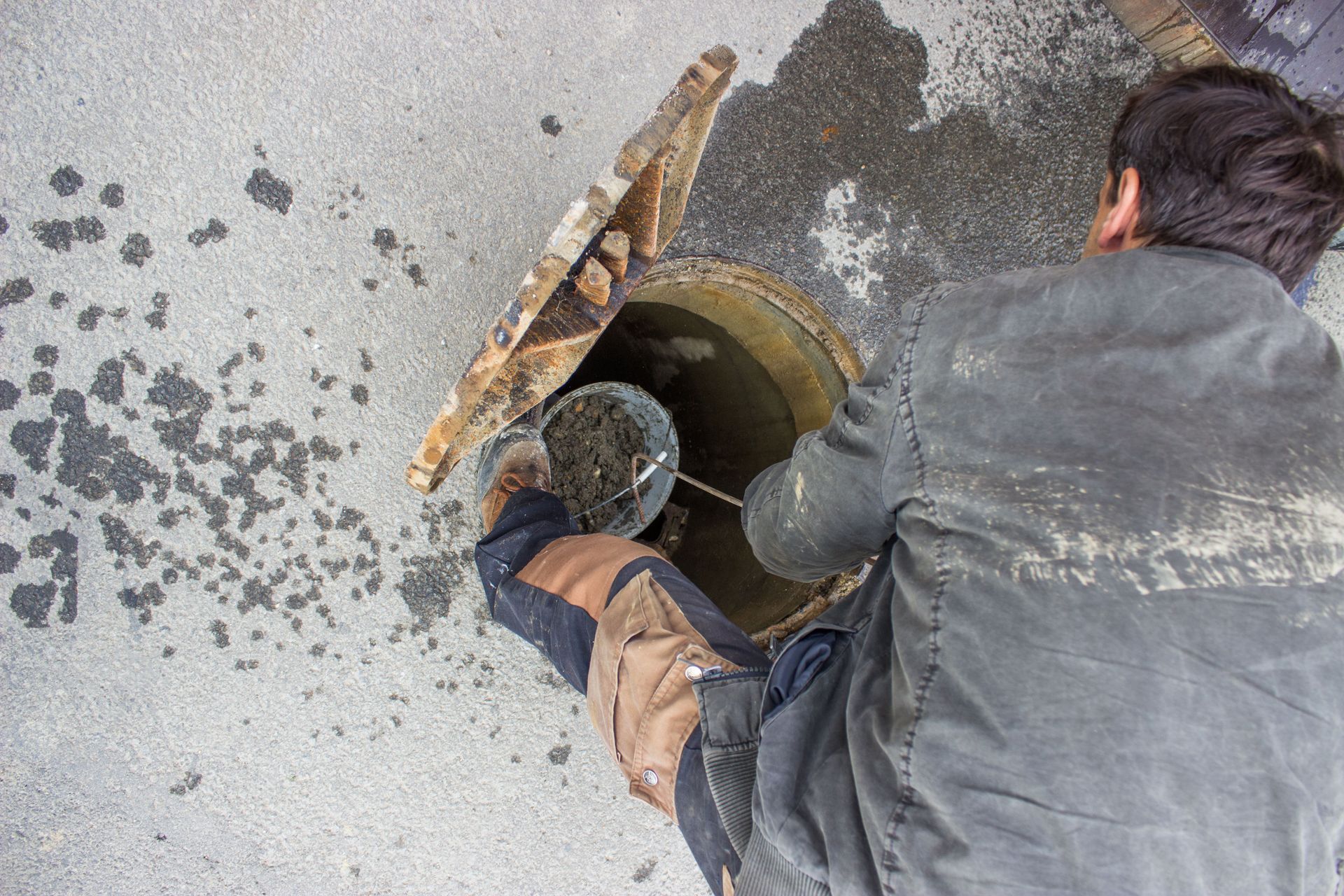
Common repair tasks include removing blockages, sealing leaks, replacing damaged pipes, or rehabilitating the drain field. Throughout the process, care is taken to minimize impact on the surrounding property while ensuring that the repair is thorough and effective.
After the work is completed, the system is tested to confirm that it is functioning properly. This may involve running water through the system, checking for leaks, and verifying that wastewater is flowing as intended.
Testing is a crucial step because it ensures that the problem has been fully resolved. A dependable local septic repair provider will not consider the job complete until the system is operating smoothly and meets all performance expectations.
Providing Maintenance Guidance And Future Recommendations
Once the repair is finished, technicians often provide valuable guidance on maintaining the septic system. Proper care is essential for extending the life of the system and preventing future issues.
Homeowners may receive recommendations on routine maintenance practices, such as regular pumping, mindful water usage, and avoiding the disposal of harmful materials. These tips are tailored to the specific system and its condition, helping to ensure long-term reliability.
According to This Old House, typical lifespan of a septic tank is 15 to 40 years, depending on the material, maintenance practices, and soil conditions. This highlights the importance of ongoing care and professional oversight.
In addition to maintenance advice, technicians may suggest periodic inspections to monitor the system’s health. Staying proactive can help identify potential problems early, reducing the likelihood of major repairs.
Choosing a trusted provider for local septic repair means gaining access to expert knowledge and support beyond the initial appointment. This ongoing relationship can be invaluable in keeping the system in optimal condition.
Septic repair appointments don’t have to be overwhelming or unpredictable. With the right team, the process is structured, transparent, and focused on delivering lasting results. From the initial inspection to the final system testing, each step is designed to address the problem efficiently while keeping homeowners informed.
Understanding what to expect allows homeowners to approach the appointment with confidence and preparedness. By working with experienced professionals in local septic repair, it becomes easier to navigate challenges and maintain a reliable system for years to come.
At Central Texas Hydro-Flo, we approach every septic repair appointment with professionalism, care, and a commitment to long-term solutions. Our team works closely with homeowners to ensure that each step of the process is clear, efficient, and tailored to the specific needs of the property.